Back to School Backpacks: Tips to Protect Growing Spines
A new school year brings excitement, fresh supplies, new teachers, and plenty of learning opportunities. It also brings one […]


Have you ever caught yourself with tight shoulders or a clenched jaw? Stress is very common these days. Here at Amesbarry Chiropractic, your South Metro chiropractic center, we see just how often stress sneaks into our bodies. With April being Stress Awareness Month, it’s the perfect time to notice how stress affects you and explore natural, gentle ways to feel better. Ready to get started? Give us a call to set up your consultation.
Understanding how stress affects your body is the first step to feeling better. When stress hits, you might notice tight muscles, trouble sleeping, or even an upset stomach. Chiropractic care, massage, and acupuncture all work together to help with these issues. By taking care of your body, you’re setting yourself up for better health and a happier life.
Stress isn’t just something you feel in your mind; it shows up in your body, too. When you’re stressed, your body jumps into action, releasing hormones like cortisol and adrenaline. This is helpful in small doses, but if it happens too often, it can lead to aches, pains, and other problems down the road.
Your muscles are usually the first to react when you’re stressed. You might feel tightness in your neck, shoulders, or back. Sometimes that tension sticks around even after the stress has passed. If this keeps up, it can lead to headaches, stiff movements, or even changes in your posture. Lots of folks end up with “tech neck” or “stress shoulders” and don’t realize stress is the real culprit, not just bad posture.
Stress doesn’t stop at your muscles: it can throw your spine out of whack, too. When your muscles stay tight, they can pull your spine out of alignment, which can mess with your nerves. This might mean more pain, less movement, and even trouble with how your body works overall. Ongoing stress can also worsen inflammation, slowing healing and adding to your discomfort.
Chiropractic care helps you tackle stress by working on the physical side of things. Adjustments help realign your spine, keeping your nerves working the way they should. Since your nervous system is in charge of how you handle stress, keeping your spine healthy can make a big difference in how you feel.
Adjustments can help loosen tight muscles and improve joint mobility, which often brings quick relief from stress-related aches. Many people report feeling more relaxed and noticing less tension in their neck and shoulders after a visit. Plus, research shows that adjustments can help lower stress hormones and boost the feel-good chemicals in your body.
Regular chiropractic care can also help straighten out your posture, which is tied to both stress and mood. When you’re properly lined up, it’s easier to take deep breaths and relax. This helps your body fight off stress. With adjustments and a few simple exercises, you can give your body the tools it needs to handle whatever the day throws at you.
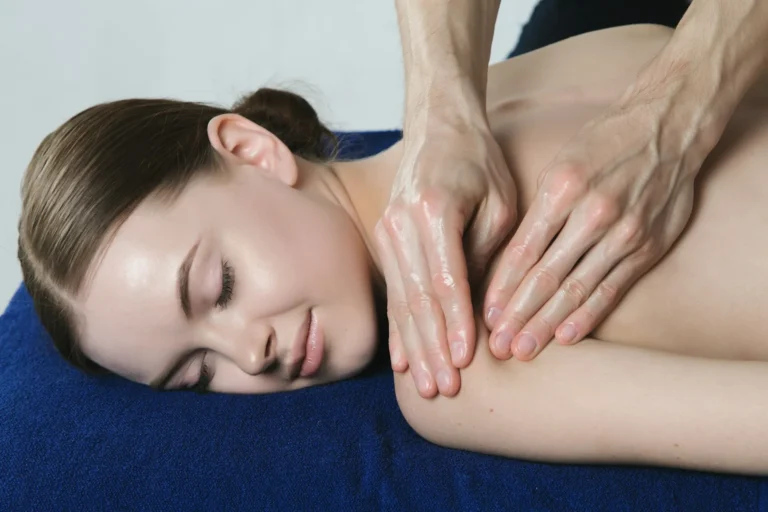
Massage therapy for stress reduction is one of the most immediately effective natural treatments available. When you experience a therapeutic massage, your body begins to shift out of stress mode almost immediately. Massage activates your parasympathetic nervous system, lowering your heart rate, reducing blood pressure, and decreasing the production of stress hormones.
There are lots of ways to use massage for stress relief. Swedish massage uses gentle, flowing strokes to help you relax and boost circulation. Deep tissue massage targets stubborn knots, while trigger point therapy zeroes in on tight spots that cause pain elsewhere. Your massage can be tailored to target the areas where you feel the most stress.
The perks of massage don’t stop when you get off the table. Regular sessions can help you sleep better, feel less anxious, and even support your immune system. When you’re well-rested and less stressed, it’s easier to handle whatever life throws at you. It’s a win-win—less stress leads to better health, and better health helps you bounce back from stress more easily.
Acupuncture is another excellent tool for managing stress, even if it’s new to you. This gentle therapy uses very thin needles placed at certain spots to help your body heal and find balance. Many people are surprised at how much acupuncture can help with both stress and the aches that come with it.
From a Western medical perspective, acupuncture helps your body release natural painkillers and feel-good chemicals. It can lower stress hormones and boost endorphins, helping you relax. Lots of people feel so calm during a session that they even drift off to sleep—even with the needles in place!
If you’re curious about how acupuncture could help with your stress management, reach out to us today. Schedule a session and start experiencing the benefits firsthand.
Research shows that acupuncture helps with stress. It can ease anxiety, help you sleep better, and even calm an upset stomach. If you’re looking for a natural, drug-free way to feel better, acupuncture is definitely worth considering.
While chiropractic, massage, and acupuncture help your body handle stress on the outside, what you eat matters on the inside. The foods you choose can affect your mood, energy, and how you deal with stress. A nutrition counselor can help you spot eating habits that might be making stress worse and suggest simple changes to help you feel your best.
Are you getting the right nutrients to help with stress? Contact us today to discuss your nutrition needs and explore simple steps for a healthier you.
It’s not just about single nutrients—your overall eating habits make a big difference, too. Skipping meals can leave you feeling jittery or cranky, while too much caffeine or sugar can send you on a rollercoaster of highs and crashes. Eating lots of processed foods can add to inflammation, but filling your plate with whole foods, veggies, fruits, and healthy proteins gives your body what it needs to handle stress.
The care you get at our clinic works even better when you pair it with good stress-busting habits at home. Professional treatments help with built-up tension, while your own stress toolkit helps you handle daily ups and downs. Want to get started? Book your appointment and take the first step toward feeling better.
You don’t need intense exercise to reap the benefits. Gentle activities like walking, stretching, or yoga can help release tension, improve mood, and give you a mental break from stressors. The key is finding activities you enjoy and can maintain consistently. Even ten minutes of movement can help shift your body out of stress mode and into a more relaxed state.
Don’t forget about sleep—it’s a big part of handling stress, but it’s easy to overlook. When you’re well-rested, it’s much easier to deal with challenges and keep your cool. Not getting enough sleep can make stress feel even bigger. Try sticking to a regular bedtime, cutting back on screens before bed, and making your bedroom as cozy as possible to help you sleep better.
Want to try breathing practices for stress relief? Contact our office for personalized tips or book a session to learn new techniques you can use anywhere.
Stress Awareness Month is a great time to check in with yourself and see how stress is showing up in your life. Don’t wait until you’re overwhelmed or hurting—taking action now can help you avoid bigger problems later and start feeling better right away.
Ready to assess your stress and create a tailored plan? Reach out to us now for a personal consultation and get started on feeling your best.
Next, think about which natural stress-busters sound good to you and fit your routine. If you haven’t tried chiropractic care before, a first visit can show you how your spine and stress are connected. If massage sounds nice, book a session and see how relaxed you feel afterward—you might decide to make it a regular thing. Curious about acupuncture? Give it a try and see if it’s a good fit for you.
Keep in mind that beating stress usually takes more than one approach. Mixing professional care with healthy habits at home gives you the best support. You don’t have to do everything at once—just pick one or two changes that feel doable, and add more as you get comfortable.
.The American Institute of Stress offers tips on beating stress in this article. Centinela Hospital Medical Center also offers advice on this here.
Many people experience some relief from muscle tension and pain after their first adjustment, though achieving lasting change typically requires consistent care over several weeks. Your initial visit will include an assessment of your spinal health and stress-related symptoms, allowing your chiropractor to develop a treatment plan tailored to your needs. Some patients notice improved sleep and reduced anxiety within the first few sessions, while more significant changes in chronic tension patterns may take several weeks of regular adjustments.
While massage provides immediate relaxation and tension relief, regular massage therapy creates cumulative benefits that extend well beyond individual sessions. Studies have shown that people who receive massage regularly experience sustained reductions in stress hormones, better sleep quality, and improved mood compared to those who receive only occasional massages. Think of massage as both immediate relief and long-term preventive care for stress management.
Most people are pleasantly surprised by how comfortable acupuncture actually is. The needles used are extremely thin, much finer than the needles used for injections or blood draws. You might feel a slight pinch or tingling sensation when needles are inserted, but many people feel nothing at all. Once the needles are in place, most patients feel deeply relaxed, and some even fall asleep during treatment.
Yes, what you eat directly affects your nervous system function, hormone production, and inflammation levels, all of which play roles in how you experience and manage stress. Deficiencies in key nutrients can make you more vulnerable to stress and anxiety, while a nutrient-dense diet provides your body with the resources it needs to maintain balance. Changes in blood sugar regulation through better meal timing and food choices can also significantly impact mood stability and stress resilience.
This Stress Awareness Month, take the first step toward better managing your stress and reclaiming your wellbeing. At Amesbarry Chiropractic, we understand that stress affects every aspect of your life, from your physical comfort to your emotional resilience. Our comprehensive approach, combining chiropractic care, massage therapy, acupuncture, and nutritional counseling, offers multiple pathways to relief and healing. Whether you are dealing with tension headaches, chronic muscle pain, sleep problems, or simply feel overwhelmed by daily stressors, our team is here to help you find solutions that work for your unique situation.
You do not have to accept stress and its physical consequences as inevitable parts of modern life. Natural, effective relief is available right here at our chiropractic care center, serving South Metro and beyond. If you have been searching for a “chiropractor near me” or “wellness clinic near me” and want a holistic approach to stress management, you have found it. Our experienced team is ready to partner with you in developing a personalized stress management plan that addresses your specific needs and goals.
Schedule an appointment today and discover how our integrated approach to wellness can help you feel better, manage stress more effectively, and improve your overall quality of life.
This blog is intended solely for informational purposes. Always consult with your healthcare provider for appropriate medical advice, diagnosis, or treatment plan for your individual health needs and follow their guidance.
Want to find out more about Amesbarry Chiropractic? Click here for our main Services page. We also offer massage and acupuncture, in addition to chiropractic care. You can also contact us any time!
A new school year brings excitement, fresh supplies, new teachers, and plenty of learning opportunities. It also brings one […]
Spinal Muscular Atrophy Awareness Month helps raise awareness of a rare yet significant condition affecting thousands of individuals and […]
Muscle tension can impact almost every part of your day. It may make simple movements harder, reduce flexibility, and […]