Back to School Backpacks: Tips to Protect Growing Spines
A new school year brings excitement, fresh supplies, new teachers, and plenty of learning opportunities. It also brings one […]


When was the last time you considered trying a healing practice that has stood the test of time for over 3,000 years? At Amesbarry Chiropractic, your Burnsville wellness clinic, we offer acupuncture as part of our comprehensive approach to health and healing. This ancient therapy has helped countless people throughout history manage pain, reduce stress, and improve their overall well-being. Today, it continues to provide remarkable benefits for modern patients right here in Minnesota.
The history of acupuncture is a fascinating journey through time, cultures, and evolving medical understanding. From its origins in ancient China to its current status as a respected complementary therapy used worldwide, acupuncture has adapted and endured because it works. Understanding where acupuncture originated and how it has developed can help you appreciate the depth of knowledge behind this traditional healing practice and feel more confident about incorporating it into your wellness routine.
Acupuncture originated in China more than 3,000 years ago, making it one of the oldest continuously practiced medical systems in the world. The earliest written records of acupuncture appear in the Huangdi Neijing, or Yellow Emperor’s Classic of Internal Medicine, which dates back to around 100 BCE. However, archaeological evidence suggests that acupuncture-like practices may have existed even earlier, with sharpened stones and bones potentially used as primitive needling tools.
The development of acupuncture is intertwined with the broader philosophy of Traditional Chinese Medicine, which views health as a balance of opposing forces called yin and yang. According to this framework, your body contains channels called meridians through which vital energy, or qi, flows. When qi flows freely and remains balanced, you experience good health. When blockages occur or imbalances develop, illness and pain result. Acupuncture points lie along these meridians, and stimulating them with needles helps restore proper energy flow.
Early acupuncture practitioners used various materials for needles, including stone, bamboo, and eventually metal as metallurgy advanced. The classic acupuncture text, the Huangdi Neijing, describes nine different types of needles, each with specific uses and techniques. These early physicians developed detailed maps of the body’s meridian system, identifying hundreds of acupuncture points and their therapeutic effects. This knowledge was passed down through generations of practitioners and refined over centuries of clinical observation and experience.
Interestingly, acupuncture was not always the gentle therapy we know today. Historical records indicate that early forms sometimes involved more aggressive techniques, including deeper needle insertion and even bloodletting. Over time, techniques became more refined and sophisticated as practitioners learned which approaches provided the best results with the least discomfort.
While acupuncture remained primarily a Chinese practice for thousands of years, it gradually spread to neighboring countries in East Asia. Korea, Japan, and Vietnam all developed their own variations of acupuncture, adapting the core principles to fit their cultural contexts and medical traditions. Japanese acupuncture, for example, often uses thinner needles and shallower insertion depths compared to Chinese acupuncture, reflecting different philosophical approaches to treatment.
European contact with acupuncture began in earnest during the 17th century when Jesuit missionaries and traders returned from Asia with accounts of this unusual medical practice. However, Western physicians remained largely skeptical, and acupuncture did not gain significant traction in Europe or America at that time. The practice seemed too foreign, too removed from the emerging scientific-medical model taking hold in the West.
The turning point for acupuncture in the Western world came in the 1970s. In 1971, New York Times journalist James Reston underwent an emergency appendectomy while in China and received acupuncture for post-operative pain relief. His widely-read account of the experience sparked enormous interest in acupuncture among Americans. Around the same time, President Richard Nixon’s visit to China opened diplomatic and cultural exchanges, including exposure to Traditional Chinese Medicine practices.
As interest grew, research institutions began studying acupuncture using modern scientific methods. The World Health Organization started evaluating acupuncture’s effectiveness for various conditions. By the 1990s, acupuncture had become increasingly accepted in Western healthcare, and the National Institutes of Health issued a consensus statement in 1997 acknowledging its usefulness for certain conditions. Today, acupuncture is practiced in hospitals, pain clinics, and wellness centers throughout the United States and Europe.
The traditional Chinese medical explanation for how acupuncture works centers on the concept of qi and meridians. According to this view, acupuncture needles stimulate specific points that influence the flow of qi through your body’s energy channels. By removing blockages, tonifying deficiencies, or dispersing excesses, acupuncture restores balance and allows your body to heal itself naturally.
Modern research has provided additional perspectives on acupuncture’s mechanisms, complementing the traditional understanding. Studies using functional MRI scans have shown that needling specific acupuncture points activates particular regions of the brain associated with pain processing, emotional regulation, and autonomic nervous system function. Acupuncture appears to stimulate the release of endorphins, your body’s natural pain-relieving chemicals, as well as other neurotransmitters that influence mood and well-being.
Research has also demonstrated that acupuncture can reduce inflammation, improve blood flow, and modulate immune system activity. The insertion of needles creates a micro-injury that triggers local healing responses, including increased circulation to the treated area. Some scientists believe that acupuncture points correspond to areas where nerves, blood vessels, and connective tissue converge, which may explain why stimulating these specific locations produces systemic effects throughout your body.
The fascia, the connective tissue that surrounds your muscles and organs, may also play a role in how acupuncture works. Some researchers have proposed that acupuncture needles interact with the fascia network, sending mechanical signals throughout your body that influence cellular function and healing processes. This theory helps bridge traditional concepts of meridians with modern anatomical understanding.
Throughout its long history, acupuncture has been used to address a remarkably wide range of health concerns. The World Health Organization recognizes acupuncture as an effective treatment for over 40 different conditions, while clinical experience suggests it may be helpful for many more. Understanding which conditions respond well to acupuncture can help you determine whether this therapy might benefit you.
Pain management represents one of acupuncture’s most well-established applications. Whether you are dealing with chronic back pain, neck pain, headaches, arthritis, or sports injuries, acupuncture can provide significant relief. Studies have shown that acupuncture is particularly effective for musculoskeletal pain, often providing results comparable to or better than conventional pain medications without the side effects. Many people who have not found adequate relief through other treatments discover that acupuncture offers the breakthrough they have been seeking.
Stress, anxiety, and mood disorders also respond well to acupuncture treatment. In our fast-paced modern world, these conditions affect millions of people and can significantly impact the quality of life. Acupuncture helps regulate your nervous system, promoting relaxation and reducing the physical symptoms of stress and anxiety. Many patients report feeling calmer and more centered after acupuncture sessions, with effects that accumulate over time with regular treatment.
Digestive issues represent another area where acupuncture has shown promise. From irritable bowel syndrome to nausea and indigestion, acupuncture can help regulate digestive function and reduce uncomfortable symptoms. The therapy’s ability to influence the autonomic nervous system, which controls digestive processes, makes it particularly suited to addressing these types of concerns.
Sleep disturbances, allergies, respiratory conditions, hormonal imbalances, and even support during cancer treatment represent additional areas where acupuncture has demonstrated benefits. The versatility of acupuncture reflects its fundamental approach of supporting your body’s natural healing abilities rather than targeting specific diseases in isolation.
If you have never tried acupuncture before, knowing what to expect can help you feel more comfortable and confident about your first session. At Amesbarry Chiropractic, we strive to make acupuncture accessible and relaxing for all our patients, whether they are longtime acupuncture enthusiasts or complete beginners.
Your first acupuncture appointment will begin with a comprehensive consultation. Your acupuncturist will ask detailed questions about your health history, current symptoms, lifestyle, and wellness goals. In Traditional Chinese Medicine, seemingly unrelated symptoms can provide important diagnostic information, so you may be asked about aspects of your health that surprise you. Your practitioner may also examine your tongue and feel your pulse at various points, both traditional diagnostic techniques that provide information about your internal balance.
Based on this assessment, your acupuncturist will develop a treatment plan tailored to your specific needs. They will explain which acupuncture points they plan to use and what you might experience during the session. The actual treatment involves inserting very thin, sterile needles at specific points on your body. Most people are surprised by how comfortable the process is. The needles are much finer than those used for injections or blood draws, and insertion is typically quick and nearly painless.
Once the needles are in place, you will rest quietly for about 20 to 40 minutes. Many people find this time deeply relaxing and may even fall asleep. You might feel various sensations during treatment, including tingling, warmth, or a sense of energy moving through your body. These sensations are normal and often indicate that the treatment is working. After the session, needles are removed quickly and painlessly, and you can resume your normal activities immediately.
One of the strengths of modern acupuncture practice is its ability to work synergistically with other therapies. At our Burnsville chiropractic clinic, we often combine chiropractic adjustments with acupuncture, massage therapy, and nutritional counseling to provide comprehensive care that addresses your health from multiple angles. This integrated approach reflects the best of both traditional wisdom and modern healthcare understanding.
Chiropractic care and acupuncture complement each other beautifully. While chiropractic adjustments address structural alignment and nerve function through spinal manipulation, acupuncture influences your body’s energy flow and stimulates healing responses through different mechanisms. Many patients find that combining these therapies produces better results than either approach alone, with improvements in pain, mobility, and overall function.
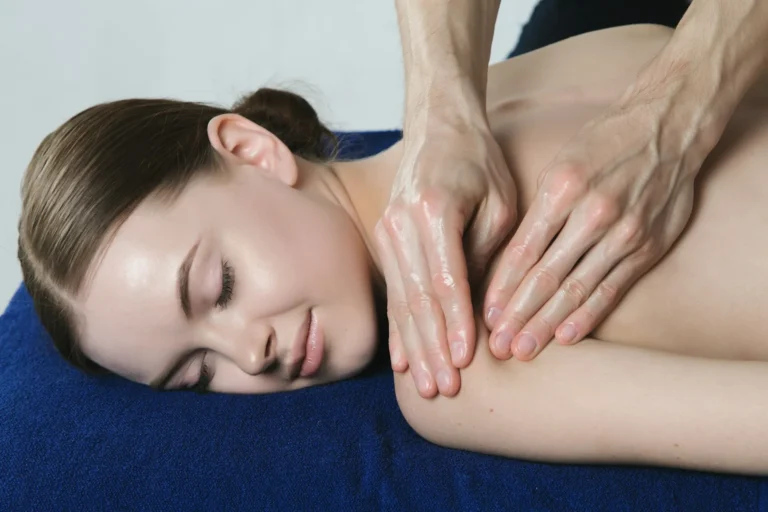
Massage therapy pairs well with acupuncture, too. Massage releases muscle tension and improves circulation, creating an ideal foundation for acupuncture treatment. Some practitioners even combine the two modalities in a single session, using massage to prepare tissues before needle insertion. This combination is particularly effective for musculoskeletal pain and tension-related conditions.
Nutritional counseling supports acupuncture by addressing your health from the inside out. Traditional Chinese Medicine has always recognized the importance of diet in maintaining health and balance. Working with a nutritional counselor who understands both modern nutrition science and traditional dietary principles can enhance your acupuncture results and support lasting wellness improvements.
As acupuncture continues to integrate into mainstream healthcare, exciting developments are shaping its future. Research into acupuncture’s mechanisms continues to advance, with new technologies allowing scientists to observe real-time changes in the brain and body during treatment. This growing body of evidence is helping acupuncture gain wider acceptance and is leading to increased insurance coverage for acupuncture services.
Medical education is also evolving to include more training in acupuncture and other complementary therapies. Some medical schools now offer electives in acupuncture, and integrative medicine programs are becoming more common. This trend suggests that future healthcare may routinely combine conventional approaches, offering patients more options and better outcomes.
Technological innovations are also influencing acupuncture practice. While traditional needle techniques remain the gold standard, modern variations include electroacupuncture, which applies small electrical currents through the needles for enhanced stimulation. Laser acupuncture offers a needle-free option for people who are particularly needle-sensitive. These innovations expand acupuncture’s accessibility while maintaining its core therapeutic principles.
Wiley Online published an article about acupuncture. Harvard University also delves into the topic in this piece.
Frequently Asked Questions About Acupuncture
When performed by a trained, licensed acupuncturist using sterile needles, acupuncture is extremely safe. Serious complications are rare. Some people experience minor side effects like temporary soreness, slight bleeding or bruising at needle sites, or feeling tired after treatment. These effects are typically mild and resolve quickly. Always seek treatment from qualified practitioners who use proper sterile technique.
The number of sessions needed varies based on your condition, how long you have had it, and how your body responds to treatment. Acute conditions may improve within a few sessions, while chronic issues typically require longer treatment courses. Many people begin with weekly sessions for several weeks, then transition to less frequent maintenance treatments. Your acupuncturist will discuss realistic expectations and develop a treatment plan based on your specific situation.
Insurance coverage for acupuncture has expanded significantly in recent years. Many health insurance plans now include acupuncture benefits, particularly for pain management. Coverage varies by plan, so checking with your insurance provider about your specific benefits is worthwhile. Some plans require a referral from your primary care physician, while others allow direct access to acupuncture services.
Acupuncture can be safely performed during pregnancy when provided by a practitioner experienced in prenatal care. In fact, acupuncture can help with many pregnancy-related discomforts, including nausea, back pain, and anxiety. However, certain acupuncture points are avoided during pregnancy as they may stimulate contractions. Always inform your acupuncturist if you are pregnant or trying to conceive so they can modify treatment appropriately.
The thousands of years of history behind acupuncture represent an incredible legacy of healing knowledge that continues to benefit people today. At Amesbarry Chiropractic, we are honored to carry forward this tradition while integrating it with modern healthcare understanding and other effective therapies. Whether you are seeking relief from chronic pain, looking to manage stress more effectively, or simply interested in exploring natural approaches to wellness, acupuncture offers a time-tested path to better health.
You do not have to travel to ancient China to experience the benefits of this remarkable healing art. Our experienced acupuncturists are ready to help you discover what acupuncture can do for you. If you have been searching for “acupuncture near me” or “holistic healthcare near me” and want to experience therapy with thousands of years of proven results, we invite you to visit our clinic.
Schedule your acupuncture consultation today and take the first step on a healing journey that connects ancient wisdom with modern wellness.
This blog is intended solely for informational purposes. Always consult your healthcare provider for appropriate medical advice, diagnosis, or treatment plan for your health concerns, and follow their recommendations.
Want to find out more about Amesbarry Chiropractic? Click here for our main Services page. We also offer massage and acupuncture, in addition to chiropractic care. You can also contact us any time!
A new school year brings excitement, fresh supplies, new teachers, and plenty of learning opportunities. It also brings one […]
Spinal Muscular Atrophy Awareness Month helps raise awareness of a rare yet significant condition affecting thousands of individuals and […]
Muscle tension can impact almost every part of your day. It may make simple movements harder, reduce flexibility, and […]