Back to School Backpacks: Tips to Protect Growing Spines
A new school year brings excitement, fresh supplies, new teachers, and plenty of learning opportunities. It also brings one […]


When did you last take time to truly care for yourself without guilt or distraction? At Amesbarry Chiropractic, your Burnsville wellness clinic, we understand that self-care is not selfish but rather essential for maintaining your health, energy, and ability to show up fully in all areas of your life. In our fast-paced world where demands constantly compete for your attention, developing effective self-care practices becomes increasingly important for long-term well-being.
Self-care encompasses the deliberate actions you take to maintain and improve your physical, mental, and emotional health. It includes everything from getting enough sleep and eating nutritious foods to setting boundaries, pursuing hobbies, and seeking professional care when needed. Chiropractic care, massage therapy, and other wellness services form important components of a comprehensive self-care routine, addressing your body’s needs in ways that daily habits alone cannot always achieve.
Self-care has become something of a buzzword in recent years, often reduced to images of bubble baths and spa days in popular culture. While relaxation activities certainly have their place, true self-care goes much deeper. It involves consistently making choices that support your wellbeing across all dimensions of health, even when those choices require effort or discipline in the moment.
Physical self-care includes the basics of caring for your body: adequate sleep, nutritious eating, regular movement, and preventive healthcare. It means listening to your body’s signals and responding appropriately rather than pushing through every discomfort or ignoring warning signs. When your neck feels tight or your back aches, addressing these issues promptly through chiropractic care or massage prevents minor problems from becoming major limitations.
Mental and emotional self-care involves managing stress, processing emotions healthily, and protecting your psychological well-being. This might include therapy or counseling when needed, stress management practices like meditation or journaling, setting boundaries in relationships, and being selective about what you expose yourself to through media and social connections. Your mental health profoundly impacts your physical health, making this dimension of self-care just as important as physical practices.
Social self-care recognizes that humans are inherently social beings who need connection and belonging. Nurturing relationships with people who support and uplift you, setting limits with those who drain your energy, and participating in communities aligned with your values all contribute to overall well-being. Sometimes self-care means saying no to obligations that do not serve you so you can say yes to connections that do.
Three fundamental pillars support all other self-care efforts, and when any of these pillars is weak, everything else becomes more challenging. Sleep, nutrition, and movement form the foundation upon which your health rests. Getting these basics right creates a stable platform for wellbeing, while neglecting them undermines even the best intentions in other areas.
Sleep is when your body performs critical repair and regeneration processes. During sleep, your brain consolidates memories, your immune system strengthens, your muscles recover from the day’s activities, and stress hormones return to normal levels. Most adults need seven to nine hours of quality sleep per night, yet many regularly get far less. Prioritizing sleep means maintaining consistent sleep and wake times, creating a bedroom environment conducive to rest, limiting screens before bed, and addressing sleep disorders if they develop.
What you eat provides the raw materials your body uses to function, repair, and regenerate. A diet rich in whole foods, including vegetables, fruits, whole grains, lean proteins, and healthy fats, gives your body what it needs to operate optimally. Processed foods high in sugar and unhealthy fats contribute to inflammation, energy crashes, and increased disease risk. Nutritional counseling can help you develop eating patterns that support your health goals while still being enjoyable and sustainable in your daily life.
Movement keeps your body functioning as it was designed to. Regular physical activity strengthens your cardiovascular system, maintains muscle mass and bone density, supports metabolic health, improves mood, and enhances sleep quality. You do not need to spend hours at the gym to benefit from movement. Finding activities you enjoy and can maintain consistently matters more than following any particular exercise prescription. Walking, dancing, gardening, swimming, or playing sports all count as valuable movement.
While daily self-care habits form the foundation of wellness, professional care provides specialized support that you cannot give yourself. Regular chiropractic adjustments, massage therapy sessions, and other professional services address your body’s needs in ways that home care cannot replicate. Viewing these services as essential components of self-care rather than luxuries or treatments only sought when problems arise represents an important mindset shift.
Chiropractic care maintains proper spinal alignment and nervous system function. Even when you feel fine, subtle misalignments can be developing that will eventually cause problems if left unaddressed. Regular chiropractic check-ups, much like dental cleanings, catch and correct issues before they become painful or limiting. Many people find that maintaining regular chiropractic care helps them avoid the back pain, headaches, and movement limitations that once plagued them.
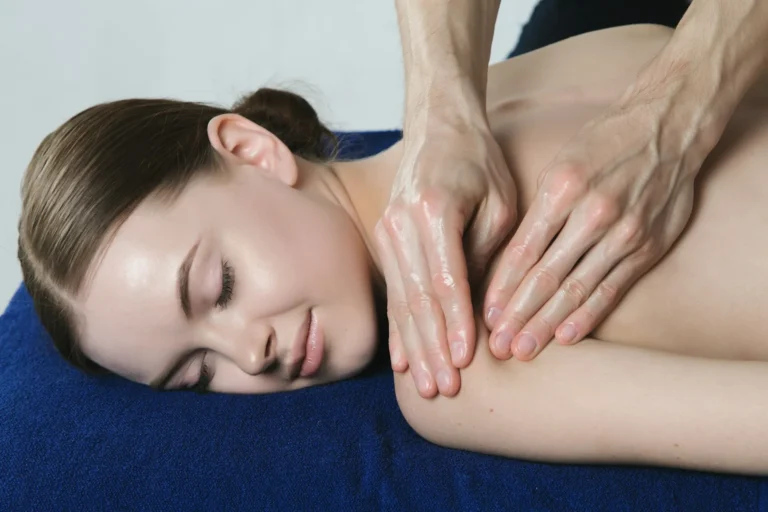
Massage therapy releases muscle tension, improves circulation, promotes relaxation, and provides time for your body and mind to rest. In our culture that often equates productivity with worth, permitting yourself to lie on a massage table for an hour can feel challenging. Yet this time of stillness and care offers tremendous benefits, including reduced stress hormones, improved sleep, decreased pain, and enhanced body awareness that helps you recognize and address tension before it becomes problematic.
Acupuncture supports your body’s natural healing processes and helps maintain balance across multiple body systems. Regular acupuncture treatments can prevent problems from developing, much like changing your car’s oil prevents engine troubles. Many people who incorporate acupuncture into their wellness routines find they get sick less often, manage stress more effectively, and generally feel more balanced and resilient.
Nutritional counseling provides expert guidance for one of self-care’s most fundamental aspects. While general nutrition information is widely available, personalized advice based on your specific needs, health conditions, and goals makes implementation much more effective. A nutritional counselor can help you navigate conflicting information, develop meal-planning strategies that work for your lifestyle, and address specific concerns, such as food sensitivities or diet-related chronic conditions.
Stress is an unavoidable part of modern life, but how you respond to stress makes all the difference in its impact on your health. Chronic stress contributes to numerous health problems, including cardiovascular disease, digestive issues, weakened immune function, anxiety, depression, and chronic pain. Developing effective stress management practices as part of your self-care routine protects your health and improves your quality of life.
Breathing practices are among the most accessible stress management tools. Your breath directly influences your nervous system, and consciously slowing and deepening your breathing activates your body’s relaxation response. When you feel stressed, taking just a few minutes to focus on slow, deep breaths can shift your physiological state and help you respond more effectively to whatever challenges you face. Practices like box breathing or the 4-7-8 technique provide simple frameworks you can use anywhere.
Mindfulness and meditation help you develop awareness of your thoughts and feelings without being overwhelmed by them. Rather than trying to eliminate stress or negative emotions, these practices teach you to observe what you are experiencing with curiosity and compassion. This shift in perspective often reduces the suffering that comes not from stress itself but from your resistance to or judgment of your experience. Even brief daily meditation practice can create noticeable changes in how you relate to stress.
Physical activity serves double duty as both a foundation of physical health and a powerful stress management tool. Exercise provides a productive outlet for the physical arousal that accompanies stress while triggering the release of mood-boosting endorphins. Whether you prefer vigorous workouts that burn off tension or gentle movement that calms your nervous system, finding physical activities that help you process stress is an invaluable self-care skill.
Creative expression offers another outlet for processing emotions and experiences. Whether through art, music, writing, or other creative pursuits, expressing yourself creatively can be deeply therapeutic. You do not need to be skilled or produce anything worthy of sharing with others. The act of creating itself provides benefits by engaging different parts of your brain and offering a break from the analytical thinking that dominates much of modern life.
One of the most important and often most challenging aspects of self-care involves setting and maintaining healthy boundaries. Boundaries are the limits you establish around what you will and will not accept in various areas of your life. They protect your time, energy, emotional well-being, and values. Without boundaries, you risk depleting yourself by trying to meet everyone’s needs while neglecting your own.
Time boundaries involve protecting your schedule from being completely consumed by others’ demands and priorities. This might mean saying no to commitments that do not align with your values or goals, limiting work hours to preserve personal time, or scheduling blocks of time for self-care activities and treating them as non-negotiable appointments. Every yes to something is implicitly a no to something else, making it important to choose deliberately.
Emotional boundaries help you take responsibility for your own feelings without taking on others’ emotions. You can care about someone and empathize with their struggles without needing to fix their problems or feeling guilty when they experience negative emotions. Healthy emotional boundaries allow for authentic connection without codependence or emotional enmeshment, leaving you drained.
Physical boundaries involve your personal space and physical touch. This applies in personal relationships as well as professional settings.
Learning to set boundaries often requires overcoming guilt or fear of others’ reactions. Many people, especially those who identify as caregivers or people-pleasers, struggle with the idea that prioritizing their own needs is acceptable. Remember that you cannot pour from an empty cup. Taking care of yourself first enables you to show up more fully for others from a place of genuine capacity rather than depletion and resentment.
The most effective self-care practices are those you can maintain consistently over time. While occasional spa days or weekend retreats have their place, your day-to-day habits create the foundation of wellbeing. Building sustainable self-care means developing practices that fit realistically into your life and that you can maintain even during busy or stressful periods.
Start small rather than attempting to overhaul your entire life at once. Choose one or two self-care practices to focus on and work to establish these as habits before adding more. Whether it is drinking more water, taking a short walk each day, or scheduling regular chiropractic appointments, giving yourself time to solidify one habit before adding another increases your likelihood of long-term success.
Anchor new self-care practices to existing habits when possible. Habit stacking, as this technique is called, makes new behaviors easier to remember and implement. For example, do five minutes of stretching right after brushing your teeth in the morning, or practice deep breathing while waiting for your coffee to brew. Linking new habits to established ones creates built-in reminders and makes consistency easier.
Prepare your environment to support your self-care goals. If you want to eat healthier, stock your kitchen with nutritious foods and keep less healthy options out of the house. If you want to practice yoga, keep your mat visible in your living space rather than buried in a closet. If you struggle to get enough sleep, prepare your bedroom to be a sleep sanctuary with comfortable bedding, blackout curtains, and minimal clutter.
Track your progress in some way that feels motivating rather than burdensome. This might be checking boxes on a habit tracker, keeping a brief journal, or simply noticing how you feel as you maintain your practices. Seeing evidence of consistency provides positive reinforcement that encourages you to continue, while also helping you identify patterns in what works and what does not.
Your self-care needs change throughout different seasons of your life. What serves you well during one period may need adjustment as your circumstances, responsibilities, or health status change. Remaining flexible and adapting your self-care practices to your current reality makes them more sustainable and effective.
During particularly demanding periods, such as caring for young children, managing a health crisis, or navigating major life transitions, your self-care might need to become more minimal and focused on absolute essentials. This is not failure but rather wisdom in recognizing that perfection is not required and that doing what you can is better than doing nothing. Even small acts of self-care during challenging times help maintain some foundation of wellbeing to build upon when circumstances ease.
As you age, your body’s needs evolve, and your self-care practices should evolve as well. The type and intensity of exercise that serve you in your twenties may need to be modified in your fifties or seventies. Paying attention to how your body feels and responds to different practices helps you make appropriate adjustments. Professional care becomes increasingly valuable as you age, helping you maintain mobility, manage age-related changes, and address concerns before they become limiting.
Major life changes, whether positive or challenging, often require reassessing your self-care routine. Moving to a new city, changing jobs, ending or beginning relationships, or experiencing health changes all impact your needs and resources. Viewing these transitions as opportunities to thoughtfully design self-care practices that fit your new reality serves you better than rigidly clinging to routines that no longer work.
Southern New Hampshire University recently wrote about self-care in this article. Very Well Mind also discussed the topic here.
There is no single right answer to this question, as needs vary based on individual circumstances. However, most people benefit from incorporating multiple brief self-care moments throughout the day rather than trying to find one large block of time. This might include a few minutes of deep breathing in the morning, a walk during lunch, some stretching in the evening, and consistent sleep hygiene at night. Even 15 to 20 minutes daily dedicated to intentional self-care can make a significant difference.
Prioritizing self-care is not selfish but rather necessary for sustainable wellbeing. You cannot effectively care for others, perform well at work, or contribute to your community when you are depleted and running on empty. Taking care of yourself enables you to show up more fully in all areas of your life. Think of self-care as maintaining the foundation that everything else in your life rests upon.
Guilt around self-care is common, especially for people who are natural caregivers or who grew up with messages that their needs were less important than others’. Recognizing these feelings while moving forward with self-care anyway helps shift ingrained patterns. Remember that modeling self-care for others, especially children, teaches them that their own well-being matters. Working with a therapist or counselor can help address deeper issues around guilt and self-worth.
During busy periods, focus on essentials rather than trying to maintain every self-care practice perfectly. Prioritize sleep, basic nutrition, brief movement, and whatever stress management works best for you. Having simplified versions of your regular practices ready for these times helps. For example, a 10-minute walk instead of your usual hour workout, or a quick check-in call with a friend instead of a long visit.
Self-care is not a luxury but a necessity for thriving in today’s demanding world. At Amesbarry Chiropractic, we are here to support your self-care journey with professional services that complement and enhance your daily practices. Whether you need chiropractic adjustments to maintain spinal health, massage therapy to release accumulated tension, acupuncture to support overall balance, or nutritional guidance to fuel your body properly, our experienced team provides the care you need in a welcoming, supportive environment.
Taking the step to schedule professional care for yourself is an important act of self-care in itself. It demonstrates that you value your well-being and are willing to invest in your health. We make quality wellness care accessible right in your neighborhood. If you have been searching for a “chiropractor near me” or “wellness clinic near me” and want a practice that views you as a whole person rather than just a collection of symptoms, your search ends here.
Schedule your appointment today and take an important step in your ongoing commitment to self-care and wellbeing. Your body and mind will thank you.
This blog is intended solely for informational purposes. Always consult your healthcare provider for proper medical advice, diagnosis, or treatment of your health concerns, and follow their guidance.
Want to find out more about Amesbarry Chiropractic? Click here for our main Services page. We also offer massage and acupuncture, in addition to chiropractic care. You can also contact us any time!
A new school year brings excitement, fresh supplies, new teachers, and plenty of learning opportunities. It also brings one […]
Spinal Muscular Atrophy Awareness Month helps raise awareness of a rare yet significant condition affecting thousands of individuals and […]
Muscle tension can impact almost every part of your day. It may make simple movements harder, reduce flexibility, and […]