Back to School Backpacks: Tips to Protect Growing Spines
A new school year brings excitement, fresh supplies, new teachers, and plenty of learning opportunities. It also brings one […]


Are you ready to make the most of Minnesota’s beautiful summer months without being sidelined by pain or injury? At Amesbarry Chiropractic, your South Metro chiropractic clinic, we know that summer brings abundant opportunities for outdoor sports and activities, from softball leagues and golf outings to cycling, running, and water sports. Taking a proactive approach to your musculoskeletal health helps you enjoy all your favorite summer activities while minimizing injury risk and maximizing performance.
Summer sports place unique demands on your body, whether you are a seasoned athlete or someone who becomes more active when the weather warms up. The combination of increased activity, heat, and sometimes inadequate preparation can lead to injuries that keep you on the sidelines. Chiropractic care for summer athletes, along with massage therapy and smart training practices, provides comprehensive support that keeps you healthy, active, and performing at your best throughout the season.
Different summer activities stress your body in various ways, and understanding these demands helps you prepare appropriately and recognize potential problem areas. Whether you participate in organized sports or simply enjoy recreational activities, knowing what your chosen activities require allows you to train and care for your body more effectively.
Golf is a favorite summer pastime that may seem low-impact, but actually places significant rotational stress on your spine. The golf swing involves powerful rotation through your torso. At the same time, your lower body remains relatively stable, generating torsional forces that can lead to back pain if your spine is misaligned or your core muscles are weak. Additionally, the repetitive nature of golf, with dozens or hundreds of swings during a round, can create overuse patterns. Shoulder mobility, hip flexibility, and thoracic spine rotation all play crucial roles in an effective, pain-free golf game.
Running and jogging become much more appealing when you can enjoy Minnesota’s trails and parks on pleasant days rather than face treadmill monotony or winter cold. However, running is a high-impact activity that places repetitive stress on your joints, particularly your ankles, knees, hips, and lower back. Each foot strike generates forces of two to three times your body weight traveling up through your body. Proper biomechanics, appropriate footwear, gradual training progression, and adequate recovery all contribute to injury prevention for runners.
Cycling offers an excellent cardiovascular workout with less impact than running, making it popular among people of all ages. However, cycling is not without its physical demands. The bent-forward position common in cycling can lead to neck strain, low back discomfort, and tight hip flexors. Additionally, the repetitive pedaling motion can create imbalances in muscle development. Proper bike fit makes a tremendous difference in comfort and injury prevention, as does incorporating stretching and strength training to counterbalance cycling’s specific demands.
Team sports like softball, volleyball, and recreational soccer combine cardiovascular demands with explosive movements, quick direction changes, and sport-specific skills. These activities require good agility, coordination, and the ability to accelerate and decelerate quickly. The stop-and-start nature of these sports places significant stress on your knees and ankles, while throwing activities in softball stress your shoulder and elbow. Adequate warm-up becomes especially important for recreational athletes who may play these sports only occasionally.
Understanding the most common injuries associated with summer sports helps you recognize warning signs early and take preventive action. Many summer sports injuries develop gradually through overuse rather than resulting from a single traumatic event. Paying attention to minor discomfort and addressing it promptly often prevents more serious problems from developing.
Lower back pain affects athletes across many different sports and activities. In golfers, rotational stress and bent postures contribute to back pain. Runners may experience back pain from repetitive impact forces, especially if they have biomechanical issues such as leg-length discrepancy or weak core muscles. Cyclists often develop back pain from prolonged flexed postures. Chiropractic care addresses spinal alignment and mobility issues that contribute to back pain while also identifying biomechanical problems that may be placing excessive stress on your spine.
Shoulder injuries, particularly rotator cuff problems, commonly affect people who engage in overhead activities like serving in tennis or volleyball, swimming, or throwing in softball. The rotator cuff muscles stabilize your shoulder joint and control arm movement. When these muscles become imbalanced, weak, or overused, inflammation and pain develop. Proper warm-up, gradual progression in training intensity, and addressing any existing shoulder mobility restrictions help prevent these painful conditions.
Knee pain troubles runners, cyclists, and participants in sports involving jumping or rapid direction changes. Runner’s knee, characterized by pain around or behind the kneecap, often results from overuse combined with biomechanical issues like poor foot mechanics or muscle imbalances. IT band syndrome causes pain on the outside of the knee and results from friction where the iliotibial band crosses the knee joint. These conditions respond well to addressing underlying biomechanical issues, appropriate training modification, and treatments that reduce inflammation and promote healing.
Ankle sprains occur frequently in sports involving running, jumping, and quick direction changes. While some ankle sprains result from unexpected events that are difficult to prevent, many occur in ankles that have been previously injured and never fully rehabilitated. Proper ankle stability comes from both the passive support of ligaments and the active control provided by muscles. Addressing old ankle injuries and ensuring full recovery before returning to sports prevents chronic ankle instability and recurrent sprains.
Chiropractic care offers significant benefits for athletes and active individuals beyond simply treating injuries after they occur. Regular chiropractic adjustments help maintain optimal biomechanics, support nervous system function, enhance recovery, and improve overall performance. Many professional and Olympic athletes consider chiropractic care essential to their training programs, and recreational athletes can experience similar benefits.
Spinal alignment directly affects how efficiently you move and how effectively your muscles can generate force. When vertebrae are misaligned, they can restrict joint mobility and interfere with nerve signals traveling between your brain and muscles. This can result in decreased coordination, reduced power output, and compensatory movement patterns that increase injury risk. Regular adjustments maintain proper spinal alignment, allowing your nervous system to function optimally and your body to move as efficiently as possible.
The range of motion throughout your spine and extremity joints affects your athletic performance across virtually all activities. Limited hip mobility restricts your golf swing and running stride. Restricted thoracic spine rotation affects throwing motions and swimming strokes. Reduced shoulder mobility impairs overhead reaching and throwing. Chiropractors assess joint mobility throughout your body and use adjustments and mobilization techniques to restore full, pain-free movement. This enhanced mobility allows you to perform skills with proper technique, reducing compensations that lead to injury.
Recovery between training sessions or competitions becomes faster and more complete with regular chiropractic care. Adjustments help reduce inflammation, improve circulation, and support your body’s natural healing processes. When you recover more effectively, you can train more consistently and at higher intensities without accumulating fatigue or overuse injuries. Many athletes report feeling fresher and more resilient when they maintain regular chiropractic care throughout their training season.
Injury prevention represents one of chiropractic care’s most valuable contributions to athletic performance. By identifying and correcting biomechanical issues before they cause pain or injury, chiropractic helps you stay healthy and active throughout the season. Regular assessments catch problems early when they are easier to address, preventing the more serious injuries that could sideline you for weeks or months.
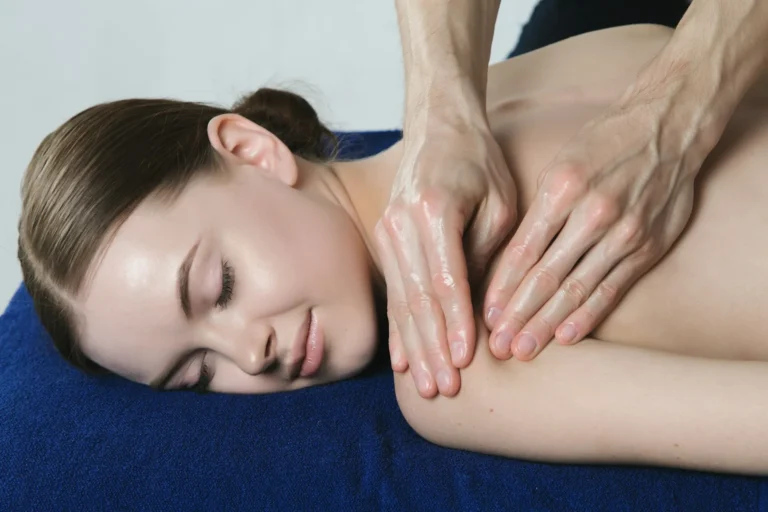
Massage therapy complements chiropractic care beautifully for active individuals, addressing soft tissue issues that contribute to pain, limit performance, or predispose you to injury. While chiropractic focuses primarily on joint alignment and mobility, massage targets muscles, tendons, fascia, and other soft tissues. Together, these approaches provide comprehensive care for your musculoskeletal system.
Muscle tension and trigger points develop in virtually everyone who engages in regular physical activity. These tight areas restrict movement, create discomfort, and can refer pain to other parts of your body. For example, trigger points in your hip muscles might contribute to knee pain, or tension in your neck muscles might cause headaches. Massage therapy releases these tension patterns, restoring normal muscle length and function. This not only feels better but also improves your movement quality and reduces injury risk.
Post-activity recovery becomes more efficient with massage. After intense exercise or competition, your muscles contain metabolic waste products that contribute to soreness and fatigue. Massage increases blood flow to muscles, accelerating the removal of these waste products while delivering fresh oxygen and nutrients needed for repair. Many athletes schedule massage sessions specifically for recovery, finding that regular massage helps them maintain higher training volumes with less soreness and fatigue.
Flexibility often improves more effectively with massage than with stretching alone. While stretching works on muscle length, massage addresses restrictions in the fascia, the connective tissue that surrounds and interconnects your muscles. Releasing fascial restrictions through massage allows for greater flexibility and more efficient movement. This is particularly valuable for activities like golf, where flexibility directly impacts performance, or running, where adequate flexibility helps maintain proper form as you fatigue.
Pre-event massage serves a different purpose than recovery massage, using stimulating techniques that increase blood flow and warm up tissues before activity. Some athletes find that brief pre-event massage helps them feel more prepared and focused before competition. However, deep tissue work should be avoided immediately before performance as the temporary inflammation it can create might impair rather than enhance performance.
Summer heat adds an extra challenge to staying properly hydrated during physical activity. Dehydration impairs both physical and mental performance, increases perceived exertion, and raises your risk of heat-related illness. Understanding proper hydration strategies helps you perform better and stay safe during summer sports and activities.
Your fluid needs increase substantially during summer compared to cooler months. You lose water through sweat, breathing, and normal metabolism. Hot weather and physical activity both increase sweat rate, sometimes dramatically. Even mild dehydration, as little as two percent of body weight, noticeably impairs performance. Symptoms of dehydration include increased heart rate, decreased coordination, reduced endurance, and difficulty concentrating.
Proper hydration means drinking before, during, and after activity, rather than waiting until you feel thirsty. Thirst is not a reliable indicator of hydration status, especially during exercise. A good strategy involves drinking 16 to 20 ounces of water 2 to 3 hours before activity, another 8 to 10 ounces 10 to 20 minutes before starting, and 7 to 10 ounces every 10 to 20 minutes during activity. After finishing, drink enough to replace any fluid lost through sweating; you can estimate this by weighing yourself before and after the activity.
Electrolyte balance becomes important during prolonged or intense activity in hot weather. Sweat contains not just water but also sodium, potassium, and other minerals. During activities lasting longer than an hour or in very hot conditions, consuming electrolyte-replacing beverages helps maintain proper fluid balance. It prevents hyponatremia, a dangerous condition caused by drinking too much plain water without adequate sodium. Many sports drinks, coconut water, or electrolyte tablets can serve this purpose.
Nutrition also deserves attention during summer sports seasons. Your body needs adequate fuel to perform well and recover effectively. Carbohydrates provide the primary energy source for moderate to high-intensity activity. Protein supports muscle repair and recovery. Timing your meals and snacks appropriately around your activities helps maintain energy levels and supports adaptation to training. Nutritional counseling can help you develop eating strategies tailored to your specific activity demands and performance goals.
Exercising in hot weather increases physiological stress, which you must manage carefully to avoid heat-related illness. Understanding how your body responds to heat and recognizing warning signs of heat-related problems helps you stay safe while enjoying summer activities.
Your body generates substantial heat during physical activity as a byproduct of muscle contraction. Normally, you dissipate this heat through sweating and increased blood flow to your skin. However, when environmental temperatures are high, especially when humidity is also elevated, these cooling mechanisms become less effective. Your core body temperature can rise to dangerous levels if you cannot adequately dissipate heat.
Heat exhaustion is the milder form of heat-related illness and includes symptoms such as heavy sweating, weakness, dizziness, nausea, headache, and muscle cramps. If you experience these symptoms, you should stop activity immediately, move to a cool location, and rehydrate. Heat exhaustion should be taken seriously, as it can progress to heat stroke if left untreated.
Heat stroke is a medical emergency that occurs when your body temperature rises to a dangerously high level, typically above 104 degrees Fahrenheit. Symptoms include confusion, altered mental state, loss of consciousness, hot, dry skin despite the heat, rapid pulse, and seizures. Heat stroke can cause permanent organ damage or death if not treated immediately. If you suspect heat stroke, call emergency services right away and begin cooling the affected person until help arrives.
Preventing heat-related illness involves several strategies. Acclimate to hot weather gradually by starting with shorter, less intense activities and progressively increasing as your body adapts. Schedule activities during cooler parts of the day when possible, typically early morning or evening. Wear light-colored, moisture-wicking clothing that allows heat to escape. Take breaks in the shade or in air-conditioned areas during long activity sessions. Most importantly, stay well-hydrated before, during, and after activity.
Whether you play organized sports or simply enjoy recreational activities, approaching your summer pursuits intelligently helps you stay healthy and perform well. Smart training balances challenge with adequate recovery, progresses gradually rather than jumping in too aggressively, and includes preparation beyond just practicing your sport.
Gradual progression prevents many overuse injuries. If you have been relatively inactive during the winter months, suddenly jumping into daily runs or weekly rounds of golf stresses your body more than it can adapt to quickly. A better approach is to start with moderate activity levels and gradually increase duration or intensity over several weeks. This gives your tissues time to adapt and strengthen in response to new demands.
Cross-training provides variety, making you a better all-around athlete while reducing repetitive stress on specific body parts. If your primary activity is running, adding cycling or swimming maintains cardiovascular fitness while giving your running-specific structures a break. Strength training builds muscle that supports your joints and improves performance in virtually all activities. Flexible work maintains mobility and reduces the risk of injury. A well-rounded fitness program serves you better than an exclusive focus on one activity.
Rest and recovery are not optional; they are essential components of any training program. Your body adapts and grows stronger during recovery periods, not during the training itself. Training provides the stimulus, but recovery allows the adaptation to occur. This means taking complete rest days, varying training intensity throughout the week, getting adequate sleep, and listening to your body when it signals a need for extra recovery time.
Proper equipment matters more than many people realize. Wearing appropriate footwear for running or court sports, using properly fitted golf clubs, riding a bike that fits your body dimensions, and using protective equipment when needed all reduce injury risk. While you do not need the most expensive gear, investing in quality equipment that fits you properly pays dividends in comfort, performance, and injury prevention.
You can read about local youth sports options here. For something a bit further out, you can check out the full roster of summer Olympic sports here.
Seeing a chiropractor before ramping up your summer activity level is an excellent proactive step. An assessment can identify existing alignment issues, movement restrictions, or biomechanical problems that might become painful once you increase activity. Addressing these issues before they cause problems keeps you healthy throughout the season. Think of it as preventive maintenance that helps you avoid breakdowns later.
Normal delayed onset muscle soreness typically appears 12 to 48 hours after unfamiliar or intense activity, affects both sides of the body symmetrically, and improves within a few days. Injury pain often appears during or immediately after activity, may affect one side more than the other, and does not improve or worsen over several days. Sharp pain, pain that significantly limits your function, or pain accompanied by swelling usually indicates injury rather than normal soreness.
Ice is generally best for acute injuries within the first 48 to 72 hours, helping reduce inflammation and numb pain. Apply ice for 15 to 20 minutes several times daily. Heat is more effective for chronic muscle tightness and stiffness, increasing blood flow and relaxing tissues. Some conditions respond well to contrast therapy, alternating between ice and heat. Your chiropractor can provide specific guidance based on your situation.
Yes, both massage and chiropractic care can enhance athletic performance through several mechanisms. Chiropractic improves joint mobility, optimizes nervous system function, and corrects biomechanical issues that limit performance. Massage releases muscle tension, improves flexibility, and accelerates recovery between training sessions. Many athletes report improved performance, reduced soreness, and better consistency when they maintain regular chiropractic and massage care.
Do not let pain or injury keep you from enjoying Minnesota’s beautiful summer months and all the activities that come with them. At Amesbarry Chiropractic, we specialize in helping active individuals stay healthy, perform at their best, and recover quickly when issues arise. Whether you are training for a specific event, playing in a summer league, or simply want to enjoy recreational activities without pain, our team provides the comprehensive care you need to stay active all season long.
Our approach combines chiropractic adjustments, massage therapy, and practical guidance on training, recovery, and injury prevention. We do not just treat symptoms but work to identify and address underlying issues that contribute to pain or limit performance. Serving South Metro and beyond, we make expert care convenient and accessible. If you have been searching for a “sports chiropractor near me” or “sports massage near me” and want a wellness clinic that truly understands the demands of athletes, we are here for you.
Schedule your appointment today and take a proactive step toward a healthy, active, enjoyable summer. Your body will perform better and feel better with the right support.
This blog is intended solely for informational purposes. Always consult your healthcare provider for appropriate medical advice, diagnosis, or treatment for your health needs, and follow their guidance.
Want to find out more about Amesbarry Chiropractic? Click here for our main Services page. We also offer massage and acupuncture, in addition to chiropractic care. You can also contact us any time!
A new school year brings excitement, fresh supplies, new teachers, and plenty of learning opportunities. It also brings one […]
Spinal Muscular Atrophy Awareness Month helps raise awareness of a rare yet significant condition affecting thousands of individuals and […]
Muscle tension can impact almost every part of your day. It may make simple movements harder, reduce flexibility, and […]