Back to School Backpacks: Tips to Protect Growing Spines
A new school year brings excitement, fresh supplies, new teachers, and plenty of learning opportunities. It also brings one […]


Are you making the most of your body’s potential for physical activity and sports? During Physical Education and Sport Week, which is May 1-7, we at Amesbarry Chiropractic, your Burnsville chiropractic clinic, want to highlight the crucial connection between regular physical activity and overall wellness. Whether you are a weekend warrior, a dedicated athlete, or someone just beginning to incorporate more movement into your life, understanding how to support your body through proper care can make all the difference in your performance and enjoyment.
Physical activity is one of the most powerful tools you have for maintaining health, preventing disease, and improving quality of life. From strengthening your cardiovascular system to boosting mental health, regular movement provides benefits that extend far beyond the visible changes in your physique. Chiropractic care for athletes and active individuals, combined with massage therapy and proper self-care practices, helps your body adapt to the demands of physical activity, reduces injury risk, and enhances recovery.
The human body is designed for movement. Our ancestors walked miles daily, climbed, lifted, and engaged in physically demanding tasks as part of everyday survival. Modern life, however, often involves prolonged sitting and limited physical challenge. This mismatch between how our bodies evolved and how we currently live contributes to numerous health problems, including obesity, cardiovascular disease, diabetes, and musculoskeletal pain.
Regular physical activity provides benefits across every system in your body. Your cardiovascular system becomes more efficient, your muscles grow stronger, your bones become denser, and your metabolic function improves. Exercise also triggers the release of endorphins and other neurochemicals that elevate mood, reduce anxiety, and improve cognitive function. Studies consistently show that physically active people live longer, healthier lives with lower rates of chronic disease compared to sedentary individuals.
The current recommendation from health organizations is at least 150 minutes of moderate-intensity aerobic activity or 75 minutes of vigorous-intensity activity per week, along with muscle-strengthening activities on two or more days. This might sound like a lot if you are currently inactive, but the good news is that any increase in physical activity provides benefits. Even short bouts of movement throughout your day contribute to better health outcomes.
Physical activity also plays a crucial role in maintaining a healthy body weight. Combined with proper nutrition, regular exercise helps you achieve and maintain a healthy balance between calories consumed and calories expended. Beyond weight management, exercise improves insulin sensitivity, reduces inflammation, supports immune function, and promotes better sleep quality.
When you engage in physical activity and sports, you place demands on your musculoskeletal system that can lead to misalignments, muscle imbalances, and compensatory movement patterns. Chiropractic care helps keep your body functioning optimally, enabling you to perform at your best while reducing your risk of injury. Professional athletes across virtually all sports incorporate chiropractic into their training regimens, and recreational athletes can benefit just as much from this proactive approach to musculoskeletal health.
Spinal alignment directly affects your nervous system function, and your nervous system controls every movement you make. When vertebrae are misaligned, nerve communication can be disrupted, leading to decreased coordination, reduced strength, and impaired proprioception. Proprioception is your body’s sense of where it is in space, a critical factor in athletic performance and injury prevention. Regular chiropractic adjustments help maintain proper alignment, support optimal nerve function, and enhance your body’s ability to move efficiently.
Chiropractic care also addresses biomechanical issues that can limit performance or predispose you to injury. For example, if your pelvis is rotated or one leg appears functionally shorter due to spinal misalignment, you may develop compensatory patterns that stress certain joints or muscles more than others. Over time, these imbalances can lead to overuse injuries like runner’s knee, plantar fasciitis, or rotator cuff problems. Identifying and correcting these issues before they cause pain or injury keeps you active and performing well.
Range of motion is another area where chiropractic care makes a significant difference. Restricted joint mobility limits your movement efficiency and can force other joints to move excessively to compensate. Whether you are reaching for a tennis serve, rotating for a golf swing, or simply bending to tie your shoes, having a full, pain-free range of motion throughout your body allows you to move as intended and reduces unnecessary strain.
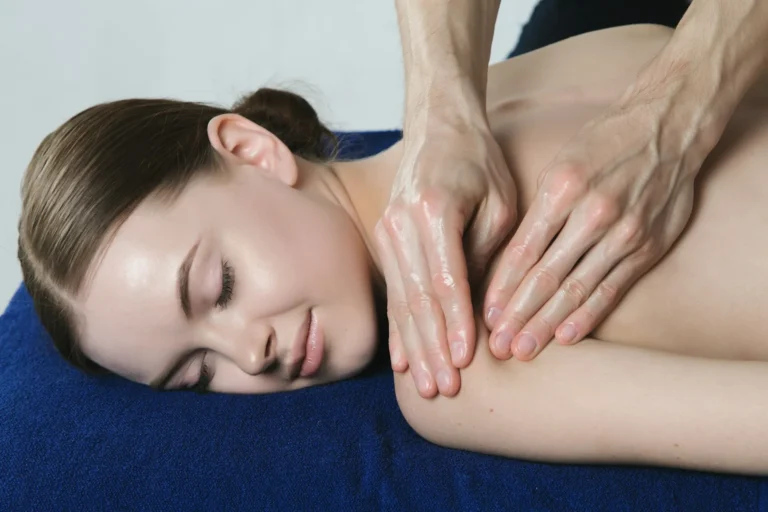
Massage therapy offers tremendous benefits for people who engage in regular physical activity or sports. While many people think of massage as a luxury or indulgence, it is actually a valuable therapeutic tool that supports recovery, prevents injuries, and enhances performance. Athletes at all levels, from weekend runners to Olympic competitors, incorporate massage into their training programs because it works.
One of massage therapy’s primary benefits for active people is enhanced recovery. When you exercise, you create microscopic damage in your muscle fibers. This is a normal part of the strengthening process, but it also leads to muscle soreness and fatigue. Massage increases blood flow to muscles, delivering oxygen and nutrients needed for repair while removing metabolic waste products that contribute to soreness. This accelerated recovery process allows you to train more consistently and with greater intensity.
Massage also helps prevent injuries by addressing muscle tightness and imbalances before they lead to problems. When muscles become chronically tight, they can pull joints out of proper alignment, restrict range of motion, and create compensatory movement patterns. Regular massage releases this tension, restores normal muscle length, and helps maintain balanced muscle tone throughout your body. This is particularly important for people who perform repetitive movements, whether in sports or daily activities.
Different massage techniques serve different purposes for active individuals. Sports massage specifically targets the needs of athletes, using techniques that prepare muscles for activity before events and support recovery afterward. Deep tissue massage addresses chronic tension patterns in the deeper layers of muscle and fascia. Trigger point therapy focuses on releasing specific knots that may be referring pain to other areas. Your massage therapist can customize treatment based on your activity level, sport-specific needs, and current concerns.
Flexibility is another area where massage provides significant benefits. While stretching is important, massage works on soft tissue in ways that stretching alone cannot. By releasing fascial restrictions and reducing muscle tension, massage improves flexibility and joint mobility. This enhanced flexibility contributes to better movement efficiency, reduced injury risk, and improved athletic performance across virtually all activities.
Preventing injuries is far more effective than treating them after they occur. While some injuries happen unexpectedly, many common sports and activity-related injuries result from preventable factors like inadequate preparation, poor technique, overtraining, or neglecting the warning signs your body provides. Understanding and implementing injury prevention strategies keeps you active and enjoying the things you love.
A proper warm-up before physical activity is essential, but it’s often rushed or skipped entirely. A good warm-up gradually increases your heart rate, elevates muscle temperature, and prepares your nervous system for the demands ahead. This might include light cardiovascular activity followed by dynamic stretching and movement patterns specific to your planned activity. Taking just 10 to 15 minutes to warm up properly significantly reduces injury risk while improving your performance during the workout or game.
Progressive training is another key principle of injury prevention. Your body adapts to physical stress, but this adaptation requires time. Increasing your training volume, intensity, or frequency too quickly overwhelms your body’s ability to adapt and leads to overuse injuries. The common guideline is to increase training load by no more than 10 percent per week, though individual needs vary. Listening to your body and allowing adequate recovery between challenging workouts prevents the cumulative fatigue that often precedes injury.
Proper technique and form matter tremendously, whether you are lifting weights, running, swimming, or playing a sport. Poor movement patterns place unnecessary stress on joints and soft tissues, increasing injury risk and reducing efficiency. Working with qualified coaches or trainers to learn proper technique pays dividends in long-term joint health and performance. Sometimes what feels natural or comfortable is actually problematic biomechanically, so expert guidance helps you develop movement patterns that serve your body well.
Cross-training provides variety, reducing repetitive stress while building well-rounded fitness. If you run exclusively, for example, you develop excellent cardiovascular endurance and strong legs, but may neglect upper-body strength and other movement patterns. Incorporating activities such as swimming, cycling, strength training, or yoga creates a more balanced fitness routine and reduces repetitive stress that can contribute to overuse injuries.
What you eat directly impacts your energy levels, recovery ability, and overall performance in physical activities. While exercise creates the stimulus for positive adaptations in your body, proper nutrition provides the raw materials to support them. Understanding basic nutrition principles for active living helps you fuel your body appropriately and recover effectively.
Carbohydrates serve as your body’s preferred fuel source during moderate to high-intensity activity. Your muscles store carbohydrates as glycogen, and depleting these stores leads to fatigue and reduced performance. Active individuals generally need more carbohydrates than sedentary people, with the amount depending on training volume and intensity. Focusing on complex carbohydrates from whole grains, fruits, and vegetables provides sustained energy along with important vitamins and minerals.
Protein is essential for muscle repair and growth. When you exercise, especially during strength training, you break down muscle proteins. Consuming adequate protein supports the repair process and helps you build or maintain lean muscle mass. Most active adults benefit from consuming protein at regular intervals throughout the day rather than loading it into a single meal. Good protein sources include lean meats, fish, eggs, dairy, legumes, and plant-based options like tofu and tempeh.
Healthy fats are often overlooked but play important roles in hormone production, managing inflammation, and providing sustained energy during longer-duration activities. Omega-3 fatty acids, found in fatty fish, walnuts, and flaxseeds, have anti-inflammatory properties that support recovery. Balancing your fat intake with adequate carbohydrates and protein creates a nutritional foundation that supports both performance and overall health.
Hydration deserves special attention for active people. Even mild dehydration impairs physical performance and cognitive function. Your fluid needs increase with the duration and intensity of activity, environmental temperature, and individual sweat rate. Water is sufficient for most activities under an hour, while longer or more intense sessions may benefit from beverages that replace electrolytes lost through sweat. Paying attention to your urine color provides a simple hydration check throughout the day.
A well-designed fitness routine includes a variety of activities that work together to build comprehensive fitness and health. Rather than focusing exclusively on one type of exercise, incorporating multiple modalities promotes balanced development while reducing the risk of repetitive-stress injury. Your ideal routine depends on your goals, current fitness level, and personal preferences, but certain principles apply to everyone.
Cardiovascular exercise strengthens your heart and lungs while improving your body’s ability to deliver oxygen to working muscles. This category includes activities like walking, running, cycling, swimming, and group fitness classes. Aim for a mix of moderate-intensity steady-state cardio and occasional higher-intensity intervals. The variety challenges your cardiovascular system in different ways and prevents the monotony that can lead to burnout.
Strength training builds muscle mass, increases bone density, improves metabolic function, and enhances your ability to perform daily activities. You do not need to become a bodybuilder to benefit from strength training. Just two to three sessions per week targeting major muscle groups provides significant health benefits. This might include free weights, resistance machines, bodyweight exercises, or resistance bands. Progressive overload provides the principle that guides effective strength training.
Flexibility and mobility work keep your joints moving through their full range of motion and your muscles at optimal length. While often neglected, this component of fitness becomes increasingly important as you age and plays a crucial role in injury prevention. Dedicating time to stretching, yoga, or mobility drills maintains the movement quality that keeps you active long-term.
Rest and recovery are not optional components of fitness; they are essential elements that allow your body to adapt and grow stronger. This includes getting adequate sleep, taking rest days between intense workouts, and varying your training intensity throughout the week. Overtraining syndrome results from insufficient recovery and can lead to decreased performance, increased injury risk, and general fatigue.
The CDC discusses physical education in this article, and the Parent Teacher Association covered it here.
You do not need to wait for pain or problems to develop before seeing a chiropractor. In fact, starting chiropractic care when you begin a new exercise program can help prevent issues from developing. An initial assessment can identify existing misalignments or biomechanical issues that might become problematic as you increase activity levels. Many people benefit from regular chiropractic care as part of their ongoing wellness routine, much like getting regular dental cleanings.
Yes, massage can significantly reduce delayed onset muscle soreness, which typically peaks 24 to 72 hours after unfamiliar or intense exercise. Massage increases blood flow to affected muscles, helping to clear metabolic waste products and deliver nutrients needed for repair. Many athletes schedule massage sessions specifically to manage post-workout soreness and accelerate recovery between training sessions.
Pain during exercise is a warning sign that something is wrong and should not be ignored. Stop the activity causing pain and assess the situation. Sharp, sudden pain may indicate an acute injury requiring immediate attention. Dull, aching pain might suggest overuse or poor technique. Continuing to exercise through pain often worsens injuries and prolongs recovery time. Seeking evaluation from a healthcare provider helps identify the problem and develop an appropriate treatment plan.
Motivation often comes from finding activities you genuinely enjoy rather than forcing yourself to do exercises you dislike. Trying different activities until you discover what feels fun rather than like a chore makes consistency much easier. Setting realistic goals, tracking progress, exercising with friends or groups, and celebrating small achievements all support long-term motivation. Remember that motivation naturally fluctuates, and developing habits and routines helps you stay consistent even when motivation is low.
Physical Education and Sport Week reminds us that movement is medicine and that taking care of your body allows you to stay active and healthy throughout your life. At Amesbarry Chiropractic, we are passionate about helping people in Burnsville and surrounding communities achieve their wellness goals through comprehensive care that supports active lifestyles. Whether you are training for a marathon, playing recreational sports, or simply want to move through your day with greater comfort and ease, our chiropractic care, massage therapy, and nutritional counseling services provide the support your body needs.
You do not have to navigate the challenges of staying active on your own. Professional guidance and care can make the difference between struggling with recurring injuries and pain versus enjoying consistent progress and performance improvements. Our experienced team understands the demands that physical activity places on your body and knows how to help you meet those demands while staying healthy and injury-free. If you have been searching for a “chiropractor near me” or “sports massage near me” and want a wellness clinic that truly understands active living, we are here for you.
Serving South Metro and beyond, we are committed to helping you live your most active, healthy life. Schedule your appointment today and discover how our integrated approach to wellness can help you perform better, recover faster, and enjoy the activities you love for years to come.
This blog is intended solely for informational purposes. Always consult with your healthcare provider for the right medical advice, diagnosis, or treatment plan for your health needs and follow their recommendations.
Want to find out more about Amesbarry Chiropractic? Click here for our main Services page. We also offer massage and acupuncture, in addition to chiropractic care. You can also contact us any time!
A new school year brings excitement, fresh supplies, new teachers, and plenty of learning opportunities. It also brings one […]
Spinal Muscular Atrophy Awareness Month helps raise awareness of a rare yet significant condition affecting thousands of individuals and […]
Muscle tension can impact almost every part of your day. It may make simple movements harder, reduce flexibility, and […]